
Sometimes, our minds overflow, or we go numb from dealing with difficult emotions. If we don’t know how to handle it, we might begin suppressing it, leading to serious long-term consequences. However, instead of suppressing it, we can deal with it with a stream of consciousness journal.
In this article, we’ll explore what a stream of consciousness journal is, how to use one, and tips to get you started.

What is a stream of consciousness journal
Stream of consciousness journaling is an unstructured journaling technique where you let your thoughts, emotions, and anything else that might be in your head flow out through a pen (or keyboard). You simply write about what’s going on inside of you the exact same way as you’re thinking it.
You can use it to explore what’s on your mind, relieve difficult emotions, reflect on the past, generate new ideas, and stop overthinking. While you do this, you don’t have to think about grammar, structure, or your writing looks nice. You just have to let your thoughts flow freely.
5 things to keep in mind when writing in your stream of consciousness journal
There are no rules or structure to stream of consciousness journaling. This can make it quite difficult the first few times. Here are 5 things you should remember to get the full benefits from this technique.
1.Let your thoughts flow freely
This type of journaling is meant to let your thoughts flow freely onto the paper. Don’t try to limit yourself or force your mind to think about specific things. Let them flow, and be completely honest about what you’re feeling, thinking, and experiencing.
This approach might be painful or scary, but it ensures the exercise is the most beneficial.
2. Don’t worry about structure
The good thing about a stream of consciousness journal is that you don’t have to worry about structure, timelimes, grammar, or anything else. All you have to do is write what you’re experiencing in whatever way you’re experiencing it.
3. Be honest with yourself
Be honest with yourself. Don’t try to sugarcoat or limit your writing because a thought brings up difficult emotions. If it does, it’s usually a sign that it’s something that you need to deal with. And is there a better way to do this than in your journal?
4. Let your thoughts guide you
Let your thoughts guide you. Maybe you started writing about a traumatic memory, and suddenly, you’re writing about your dog. It might seem wrong but go with it.
Your mind will make associations from whatever you’re writing about to other things. Exploring these will improve your experience and help you in the long run.
5. Write for as long as you want
There is no length that a stream of consciousness journal is supposed to be, and tends to vary from time to time. Some days, you might not need more than a page. On other days, you’ll want to write 10 pages.
Don’t let space be a limiting factor, and don’t think that you have to write a certain amount.
The benefits of stream of consciousness journaling
Stream of consciousness journaling is a tool that helps you learn more about yourself and supports your self-improvement efforts. Through this effort, you’ll gain several benefits. Here are 9 of those.
1. Being more honest with yourself
Stream of consciousness journaling is a practice of being honest with yourself about everything happening inside of you. The more you practice this, the easier it’ll be. Over time, it can help you make decisions based on what you want and not what you think you want.
2. Getting to know yourself better
Every time you write in your journal, you learn something new about yourself. With this technique, you’ll better understand why you’re feeling, thinking, and doing things the way that you are.
Related: Journaling prompts for self-discovery
3. Release emotions
Emotions can get stuck if we don’t find a way to release them. With a stream of consciousness journal, you’ll encounter whatever is going on inside of you. If you have suppressed emotions, they are bound to come out here.
This might be painful while you’re doing it, but you’ll feel much better after.
Related: Journaling for emotional awareness
4. Explores subconscious thoughts
We all have sub-conscious thoughts, but they’re usually hidden under our active thinking. These subconscious thoughts can make us react and act in illogical ways, and we rarely know why we’re doing it.
As you write in your journal, you’ll encounter these at some point. This gives you the opportunity to explore them and get to understand them better.
5. Supports your personal growth
Getting to know yourself and your mind better gives you great opportunities for personal growth. It’ll become easier to understand what you need to work on and how to approach it. You can even make specific stream of consciousness journals for various areas of your growth. But we’ll get back to that later.
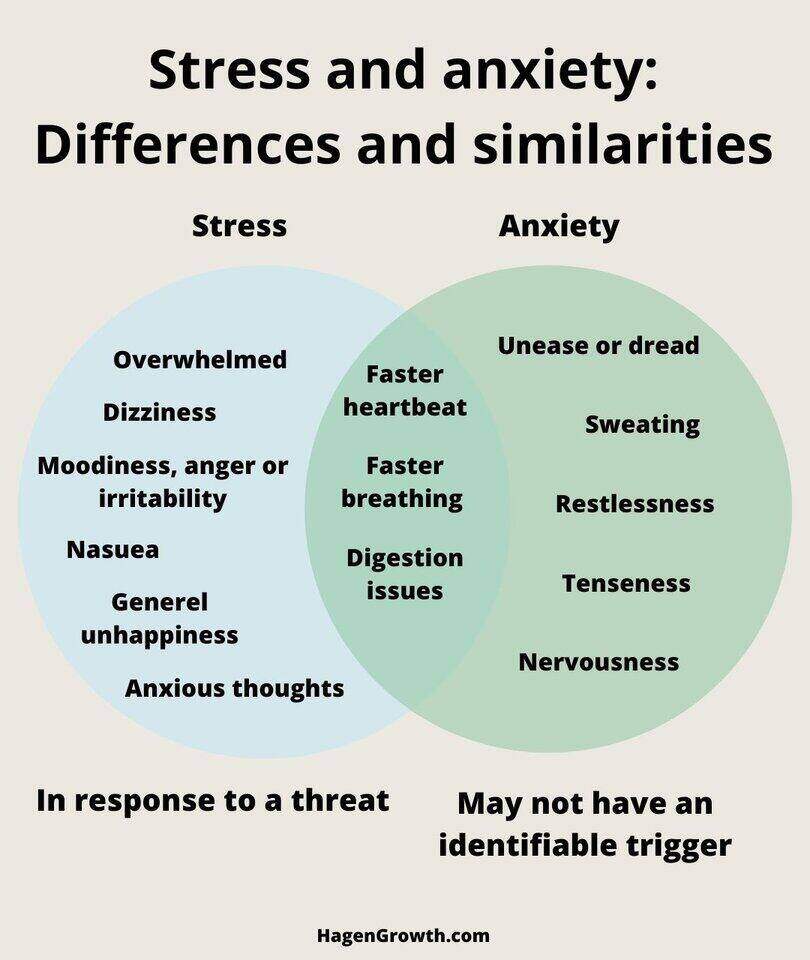
6. Reduces stress and anxiety
We tend to view stress and anxiety as something external, but in most cases, it’s happening inside ourselves. This type of journaling can help you understand this and ease these feelings.
7. Silences your inner critic
Your inner critic is a voice inside your head that constantly criticizes you and everything around you. It can cause overthinking, low self-esteem, and much more.
A stream of consciousness journal can help you silence it by getting your thoughts out of your head. It allows you to view things more realistically and rely less on the critic.
8. Heals trauma
This type of journaling can help you heal from past trauma by revisiting the events. By doing this, you can explore what happened, how it affected you, how it still does, and finally try to release it.
9. Helps you fall sleep better
Our restless nights are often caused by suppressed emotions or overthinking. As a stream of consciousness journal can help you ease both, it’ll help you sleep better.
9 tips to get you started with a stream of consciousness journal
Starting a stream of consciousness journal can be difficult, especially if the technique is new for you. But don’t worry, with time, it’ll become more effortless. Here are 9 tips to help you get started and stick with it.
1. Make it a routine
It may be easy to journal when you feel motivated, but you won’t always feel like this. Making journaling a habit can make it easier to stick with it on difficult days.
There are several ways you can do this. You can pick a specific time each day when you’ll write, make it a part of your routines, or use one of the other techniques mentioned here.
2. Make sure that your writing space is comfortable
An easy way to journal more is to create a comfortable space for writing. You can wear comfy clothes, sit in a comfortable chair, or do it outside under the sun. If you can find a way to make it more comfortable, you’ll be more likely to do and keep doing it.
3. Let go of self-judgment
A stream of consciousness journal requires you to be vulerable. You have to share your deepest emotions and thoughts for this to work.
Let go of the self-judgment and know that whatever is going on inside of you is okay. You are who you are, and there’s nothing wrong with that.
4. Embrace the possible discomfort
Some emotions or memories are so painful that we couldn’t bear them and had to hide them somewhere deep down. And while this might have spared us in the moment, they’ll slowly seep out and show themselves in other ways. At least until we’ve released them.
With your stream of consciousness journal, you’re bound to face some of these or current difficulties. It’s going to cause some discomfort, but the only way forward is to feel them. You need to embrace the unpleasantness to move on.
5. Use prompts
Sometimes, it can be hard to get started on your journal. You might feel uninspired, empty, or unmotivated. A great way to beat this is to use something called prompts.
Prompts are short questions or statements to help you get started with your journal. Usually, when you begin to open up your mind, you’ll find that your thought comes flowing out.
6. Describe what you’re feeling in the moment if you go blank
Heavy emotions or painful thoughts might cause you to go blank in the middle of your writing.
A great thing to do here is to describe what you’re feeling. Which sensations are you feeling in your body and where? This will help you release the emotions, and it’ll be easier to recognize and handle them in the future.
7. Don’t worry about anything but your thoughts
You don’t have to worry about anything but your thoughts in your stream of consciousness journal. Forget grammar, structure, and that your writing looks nice. You probably aren’t publishing this, so it won’t be for anyone but you.
8. Reflect on your writing
After each session, you can take a moment to reflect on your writing. Are there any recurring themes, patterns, or insights you forgot while writing? Doing this presents a great opportunity for increasing self-awareness and often gives meaningful insights.
Alternative uses of a stream of consciousness journal
In a classic stream of consciousness journal, you write about whatever is on your mind. But it can be used together with any journaling technique. Here are 4 ways you can combine it with other types of journals
1. Gratitude journaling
You can easily combine a stream of consciousness journal with a gratitude journal. To do this, you need to follow the advice from this article but guide your thoughts toward the things you’re grateful for.
2. Goal journaling
You can combine it with a goal journal by pushing your thoughts towards your goals. You might think about what you want to achieve, why you want it, how it would feel, and anything you find relevant.
3. A problem solving journal
You can combine a stream of consciousness journal with a problem-solving journal. To do this, you need to focus on a specific issue and just let your thoughts flow onto the paper while you think of a solution.
4. Productivity journaling
It can also be combined with a productivity journal. Think about productivity, what it means to you, how to improve it, and anything relevant to you.
21 stream of consciousness journaling prompts
Using prompts can help you jumpstart your thoughts and make it easier to let them flow freely. A stream of consciousness journal isn’t meant to be structured, and that’s why the prompts are best used as a way to begin before you let your thoughts take over and flow freely.
Below are 21 stream of consciousness journaling prompts to help you start your journal.
- Begin with the word “today” and let your mind take over
- Begin with the word “what if” and let your mind take over
- How does your body feel?
- What’s on your mind?
- What is the first childhood memory I can think of?
- What is my best childhood memory?
- What is my worst childhood memory?
- What’s bothering me right now?
- What is the first song that comes to mind?
- What is a recent dream I had?
- What is a dream that I can’t forget?
- What am I grateful for?
- What is something that I would like to overcome?
- What is a quote that inspires me?
- What challenges am I facing?
- What is something that I’m longing for?
- How does my beliefs shape my world view?
- What are my dreams in life?
- Who is the first person I can think of who had a great influence on my life?
- What places holds a significant meaning to me?
- What is an unresolved conflict that I have?
Related: Journaling prompts for anxiety
Final thoughts
By using a stream of consciousness journal, you give yourself the opportunity to freely express your emotions, thoughts, and experiences without the fear of judgment or need for structure.
Writing in this unstructured manner can have many benefits and set you on the path to a better life. It might be hard at first, but it’ll definitely be worth it once you get used to it.
What to read about next

- Mindset and Discipline: The Foundation of Sustainable Change - March 4, 2026
- Thinking Vs. Reflection – What is the difference? - February 20, 2026
- Why we do things we later regret – and how to interrupt the pattern - February 13, 2026